

About

  • Tradition

    Vancouver and Quadra is the oldest Lodge of Freemasons practicing the Ancient Work in the Grand Lodge of British Columbia and Yukon. Our founding members were instrumental in the establishment of Victoria in the nineteenth century. Today, our brethren come from all walks of life and continue to represent the strength and support of our community.
    Honour

    We aim to be the architects and builders of men, that by the application of moral and Masonic principles, they will be better enabled to improve themselves, their families, and their communities. V&Q; performs this work through excellence in Masonic practice, popular social engagements, Masonic education, support for brothers and their families in times of need, and charitable contributions to the Greater Victoria community.
    Visiting Brothers

    Join us for our next Regular Communication!

    Lodge tyles at 7:30 PM, the third Wednesday of each month except June (first Wednesday) and July and August (dark). Each Communication is followed by a Festive Board.

    Visitors are asked to dress appropriately and be prepared with the usual means of recognition.
  • The Original Gentlemen’s Club

    Freemasonry describes itself as a "'beautiful system of morality, veiled in allegory and illustrated by symbols." It is the oldest and largest fraternity in the world, with over six million men hailing from all over the world. While the exact origins of the brotherhood are shrouded in the mists of time, Freemasonry hearkens back several centuries to the medieval craft guilds of stonemasons who built the great cathedrals of Europe. Present-day Freemasonry preserves in its traditions the working tools and operating structure of the exclusive society those craftsmen enjoyed. The establishment of the Grand Lodge of England formalized this ancient protocol in 1717, and our practices have changed very little since that time.

    Your Local Craft Lodge

    Vancouver & Quadra Lodge has been practicing the Ancient form of the Masonic ritual since 1862. We have brought thousands of men into the Craft, and have provided moral and mutual support for our brethren and their families. As with all regularly constituted Lodges of Freemasonry, Vancouver and Quadra Lodge does not solicit or recruit new members. Instead, the first step to entering into the world of Freemasonry begins with a candidate’s expression of intent.

    Finding Purpose

    Freemasonry is about intellectual, moral, and philosophical self-improvement. In a world fixated on improvement of the material self, V&Q; № 2 provides an alternative.

    The unrelenting pace of modern life detracts from actual living. The traditional role of men has all but vanished. Increasingly, men find themselves experiencing a diminished sense of self-worth, even though we live in a time of relative prosperity and stability. We live in a time of great personal wealth and physical vitality, yet many feel poor in spirit and weak in fortitude.
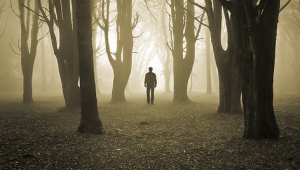
    One aim of Vancouver and Quadra Lodge is to fulfill our members’ desire for self-actualization by addressing psychological and spiritual needs that all men share. We provide purpose to those who want to do the hard work of civility, charity, respect, and honesty. We provide this with care and urgency, for we are all on our way to that place “from whose bourne no traveller returns.”

    Being accepted into the Lodge and passing through the induction process is a symbolic confirmation of the initiate’s value as a man and Brother. He then progresses through the subsequent steps, learning the lessons of Freemasonry and internalizing their message. Ultimately, this course of learning culminates in the Masonic capstone of the third degree.

    Personal Mastery

    At the core of Freemasonry is a story about something important that was lost, and the endless search to recover it. Freemasonry introduces its initiates to the great stream of knowledge that flows through the history of Western Civilization, beginning with the mystery schools of antiquity, including esotericism, rationalism, humanism, natural law, and religious tolerance.
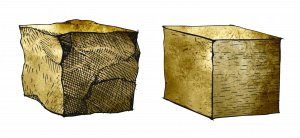
    A Freemason believes in making himself better than he is, not better than other men. Through the work of the Craft, the Lodge provides opportunities to learn and practice new skills. In addition to building his character through discipline, self-restraint, and the exercise of willpower, a Freemason develops other skills:

    • ☞ Public Speaking
    • ☞ Leadership
    • ☞ The Memory Arts
    • ☞ Deportment
    • ☞ Presentation
    • ☞ Dramatic Arts
    • ☞ Protocol

    Above all, the Craft is a system of symbols couched in a long narrative. Throughout the course of his life as a Freemason, a member will return in quiet contemplation to this narrative to discover its many layers of meaning.

    The Masonic Experience

    The career of a V&Q; member is a lifelong obligation to commit to a few hours every month in the work of the Lodge. Upon attaining the third degree, members are entitled to the rights and benefits that accrue to all Master Masons:

    • ☞ Masonic regalia
    • ☞ Admission to Regular Communications (monthly meetings)
    • ☞ Full voting privileges
    • ☞ A seat at the Festive Board
    • ☞ Eligibility to serve as a Lodge Officer
    • ☞ Mutual assistance
    • ☞ Access to the Concordant and Appendant Bodies
    • ☞ Entitlement to visit other Lodges in all recognized jurisdictions worldwide
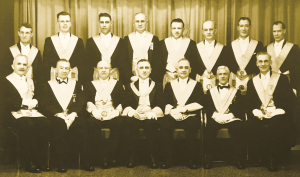
    As recent research shows, one of the secrets to happiness in life lies in the way one makes and maintains relationships. Above all, the Masonic experience is about living in a community and providing service to others. Freemasons believe that not only is it more blessed to give than to receive, but it is also more rewarding. We provide for sick and distressed brethren, and we tend to the families of deceased brothers. In the community at large, V&Q; donates to dozens of different charitable causes annually. We believe that every person should strive to be a good citizen and uphold one’s moral duty to one’s country. The sustainable stewardship of our world begins with the design, construction, and reinforcement of individual communities.

  • Our Members

    Who are we? Freemasonry cares little about who a man is outside of the Lodge room. We come from all walks of life, and accept each other regardless of nationality, creed, marital status, age, religion, or socioeconomic status. Here are a few examples from our membership.

    Bro. Dale Armstrong, 40
    Member since April 2016
    Adjudicator, the Province of BC

    "I wanted to become a Freemason out of respect for my late grandfather, who was a Freemason in The Provincial Grand Lodge of Durham (England). I was also curious about the traditions and history of Masonry. In my youth, I was heavily involved in the Army Cadets, which helped shaped me to be the man I am today and provided me with an appreciation for tradition, respect, structure, and camaraderie. Freemasonry allows me to continue observing these values. I am excited to learn all of what Freemasonry has to offer, and I strive to be a better man, working in tandem with other, like-minded men."
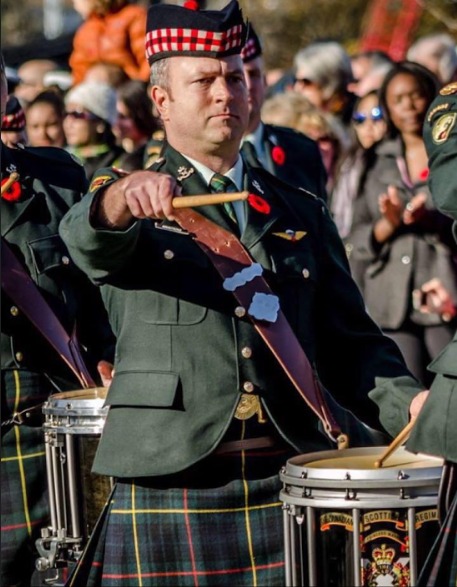
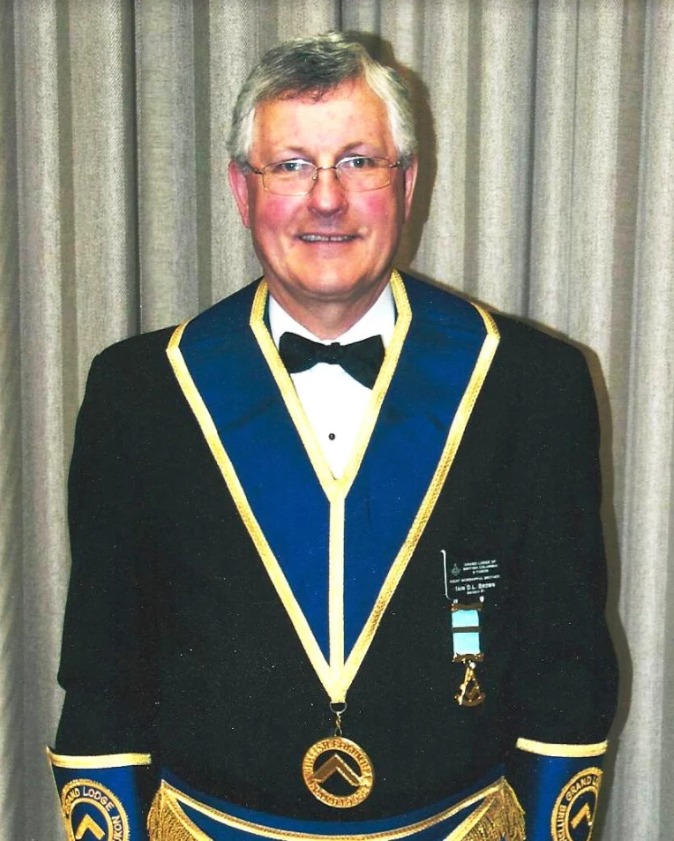
    R.W. Bro. I. D. L. Brown
    Member since 1991
    Retired Police Officer
    Married, Father of three, Grandfather of two,
    Great-grandfather of two.

    "The theme, 'to do good to your fellow man', was one of the main principles that inspired me to join. The world would be a better place if all were Freemasons, as we are non-denominational with a belief in a Supreme Being, and politics are left at the door of the Lodge. I have a number of relatives who were or are Freemasons in Scotland and I belong to a number of concordant bodies."

    W. Bro. S. Clark, 42
    Member since 2007
    Business Manager
    Married, Father of one

    "I was curious about Freemasonry throughout my twenties, mostly because of its reputation for prestige, long and interesting history, and secrecy. But it wasn't until I was into my thirties that I began to understand the Fraternity's true attraction and I petitioned to join:
    Freemasonry provides so many things to its members. For me, it satisfies spiritual and intellectual needs. It is the world's best system for self-improvement and there is not a day that goes by that the Craft doesn't challenge me to be better than I am."

    W. Bro. D.L., 46
    Member since 2005
    Police Dispatcher
    Married, Father of one

    "I joined for the brotherhood, and the few Masons I knew were all good men, so I wanted to be a part of that. What I like about the Craft is the camaraderie, brotherhood, and being a part of a culture/fraternity with so much history and traditions."

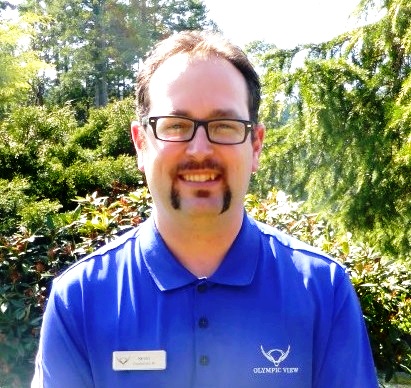
    W. Bro. Kevin W. Maxwell, 34
    Member since 2012
    Golf Professional
    Married, Father of two

    "I wasn’t sure if freemasonry was for me until I met my brother masons. If you can imagine a group of friends learning how to be better people by working together. Also knowing that your brothers all over the world, (especially those you haven’t met yet) are looking forward to seeing you. If you are willing to be a good friend to many, Freemasonry will fill your life with riches as it has mine."
    Bro. Robin Patterson
    Member since 2010
    Student
    Single

    "I became a Freemason because I am interested in esoteric subjects. Freemasonry has shaped many esoteric societies and I feel that joining Freemasonry gets me in touch with that root influence. I also joined because Freemasonry puts strong emphasis on morality and self-improvement, as well being charity- and service-oriented.
    My favourite aspects of Freemasonry include the feeling of belonging to a fraternity of friends and brothers who so readily accept me and would not hesitate to assist me should I ever need it. There is a culture of betterment and self-improvement that is framed in ritual and metaphor that I value deeply. I feel like I belong in Freemasonry, which is a rare feeling for me."

    Bro. D.S., 53
    Member since 2012
    Civil Servant
    Married, Father of one

    "My brother is a Freemason, and other men in my family have also been Freemasons. I enjoy the structure and fellowship of Freemasonry. It feels like I belong in lodge. You go to work, it's work; you go home, it's just as hectic; you get to Lodge and it's peaceful. It's like meditation for me.

  • Address to the Brethren

    Brethren, such is the nature of our Institution, that while some must, of necessity, rule and teach, so others must, of course, learn, submit and obey. Humility in both is an essential duty. The Brethren elected and appointed to assist in the government of the lodge are too well acquainted with the principles of Freemasonry and the rules of propriety to exceed the power with which they are entrusted, and you are of too generous a disposition to envy their preferment. I, there, shall trust that we have but one aim, to please each other and unite in the grand design of being happy and communicating happiness.

    Masonry, my brethren, according to the general acceptance of the term, is an art, founded on the principles of Geometry, and directed to the service and convenience of mankind, but Freemasonry, embracing a wider range, and having a nobler object in view, namely the cultivation and improvement of the human mind, may with more propriety be styled a science, inasmuch as availing itself of the terms of the former, it inculcates the principles of the purest morality, though its lessons are chiefly veiled in allegory and illustrated by symbols. To draw aside this veil, therefore, or more properly speaking, to penetrate through it, is the object of rulers in Freemasonry, and by a careful and appropriate attention to them, we may hope ultimately to become acquainted with all its mysteries.

    Freemasonry, from its origin to the present time, in all its vicissitudes, has been the steady and unvarying friend of man. It has (in the language of an eloquent brother) gone forth from age to age; the constant messenger of peace and love; never weary, never forgetful of its holy mission, patiently administering to the relief of want and sorrow, and scattering with unsparing hands, blessings and benefits to all around. It comforts the mourner, it speaks peace and consolation to the troubled spirit, it carries relief and gladness to the habitations of want and destitution, it dries the tears of the widow and orphan, it opens the source of knowledge, it widens the sphere of human happiness, it even seeks to light up the darkness and gloom of the grave by pointing to the hopes and promises of a better life to come. All this Freemasonry has done and is still doing. Such is Freemasonry, and such as its mission; and we should never forget, while enjoying its benefits and appreciating its value, the duties we owe to the order; for there is no right without a parallel duty, no liberty without the supremacy of the law, no high destiny without earnest perseverance, and no real greatness without self-denial.

    A lodge of freemasons is the temple of peace, harmony and brotherly love; nothing is allowed to enter which has the remotest tendency to disturb the quietude of its pursuit. A calm enquiry into the beauty of wisdom and virtue, and the study of moral geometry, constitute the chief employments in the tyled recesses of the lodge. The lessons of virtue which proceed from the East, like rays of brilliant light from the rising sun, illuminate the West and South, and as the work proceeds, are carefully imbibed by the workmen. Thus, while wisdom contrives the plan, strength lends its able support to the moral fabric, and beauty adorns it with curious and cunning workmanship. All this is accomplished without any compulsory or coercive means, but on the principle of friendship and brotherly love, which guards the precincts of our temple that nothing may enter to disturb the peaceful sanctity of that holy place.
    The object, however, of meeting in the lodge is of a two-fold nature, namely, moral instruction and social intercourse. Our meetings are intended to cultivate and enlighten the mind, to induce a habit of virtue, and to strengthen the fundamental principles of our Order: Brotherly Love, Relief and Truth. And if these meetings are blended with social mirth and a mutual interchange of fraternal feelings, then Freemasonry will be shown in its true light, as an institution which fosters and improves the best affections of our nature, and carries into active operation the practice of the four cardinal virtues: Temperance, Fortitude, Prudence and Justice, combined with the theological virtues - Faith, Hope and Charity - thereby demonstrating to the world at large that in Freemasonry there is found the true import of the three great social treasures: Fraternity, Liberty and Equality. Therefore the utmost extension of fraternal feeling and affection which can subsist between man and man is expected to be displayed among the brethren of our order in a lodge of freemasons, and then will be attained the chief point of Freemasonry, namely, to endeavor to be happy ourselves, and to communicate that happiness to others.

    Before I conclude, my brethren, let me endeavor to portray to you the ideal of a freemason.
    If you see a man who quietly and modestly moves in the sphere of his life; who, without blemish, fulfils his duty as a man a subject, a husband and a father; who is pious without hypocrisy, benevolent without ostentation, and aids his fellowman without self-interest; whose heart beats warm for friendship. whose serene mind is open for licensed pleasures, who in vicissitudes does not despair, nor in fortune will be presumptuous, and who will be resolute in the hour of danger;

    The man who is free from superstition and free from infidelity; who in nature sees the finger of the Eternal Master; who feels and adores the higher destination of man; to whom faith, hope and charity are not mere words without any meaning; to whom property, nay, even life, is not too dear for the protection of innocence and virtue, and for the defence of truth;
    The man who towards himself is a severe judge, but who is tolerant with the debilities of his neighbour; who endeavors to oppose errors without arrogance, and to promote intelligence without impatience; who properly understands how to estimate and employ his means; who honours virtue, though it be in the most humble garment, and who does not favour vice though it be clad in purple; and who administers justice to merit whether dwelling in palaces or cottages;

    The man who, without courting applause, is loved by all noble-minded men, respected by his superiors and revered by his subordinates; the man who never proclaims what he has done, can do, or will do, but where need is will lay hold with dispassionate courage, circumspect resolution, indefatigable exertion and a rare power of mind, and who will not cease until he has accomplished his work, and who then, without pretension, will retire into the multitude because he did the good act, not for himself, but for the cause of good!

    If you, my brethren meet such a man, you will see the personification of brotherly love, relief and truth; and you will have found the ideal of a freemason.

    Finally, my brethren, as our fraternity has been formed and perfected in complete unanimity and concord, in which we all greatly rejoice, so may it continue until time shall be no more. May you long enjoy every satisfaction and delight which disinterested friendship can afford. Within your peaceful walls may your children’s children celebrate with joy and gratitude the annual recurrence of this auspicious solemnity. And may the genuine tenets of our time-honoured Institution be transmitted through your Lodges pure and unimpaired from generation to generation.

    “Address to the Brethren” from the Installation of Officers Program, Canadian Work, The Grand Lodge of British Columbia and Yukon http://freemasonry.bcy.ca/texts/address_to_brethren.html
History

  • At the Heart of Victoria’s Heritage

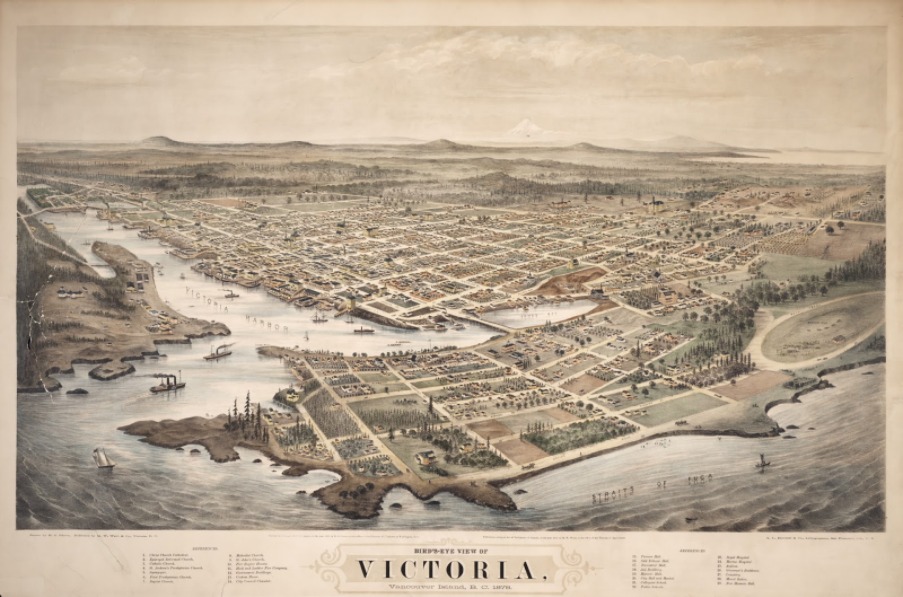
    Vancouver & Quadra Lodge has been integral in the founding and development of the City of Victoria and its surrounding area since 1862. We are builders and leaders.

    Numbering in the thousands, our membership has included premiers, generals, MPs, MLAs, government ministers, mayors, aldermen, judges, industrialists, doctors, academics, musicians, artists, inventors, athletes, entrepreneurs, architects, lawyers, civil servants, police officers, fire fighters, and working men of all stripes. Our members remain the strength and support of our community.

    Our history is a reflection of the events that have shaped Victoria over the last 150 years. For a snapshot of Victoria’s past, click here.

  • Prominent V&Q Members in History

    These are some of the members of Vancouver and Quadra Lodge who have been contributors to both the Masonic community and the community at large. For reasons of confidentiality and respect, V&Q; will not print the names of members who are still living, whose immediate family members are still living, or who preferred to keep their Masonic ties private during their lifetimes.

    Where a member was a member of the Lodge before amalgamation, the name of the constituent Lodge follows in parentheses.

    V&Q; is indebted to the Brethren of Temple Lodge № 33, A.F. & A.M. for their exemplary work in recording the history of Freemasonry on Vancouver Island.

    W. Bro. Robert Beaven, Worshipful Master (1880,1881). Premier of British Columbia, Leader of the Opposition, M.L.A., and Mayor of Victoria (Quadra Lodge 8)

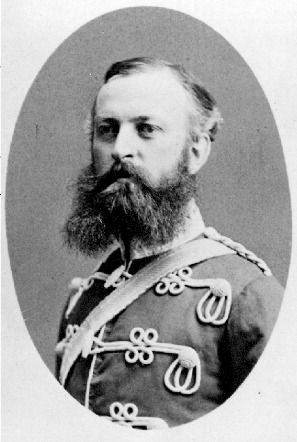
    Bro. Harlan Brewster. Premier of British Columbia and Leader of the Opposition.

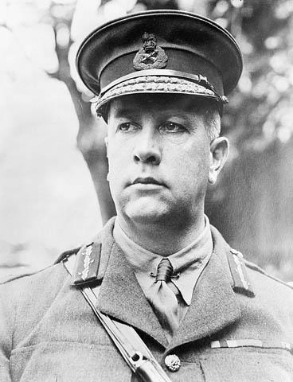
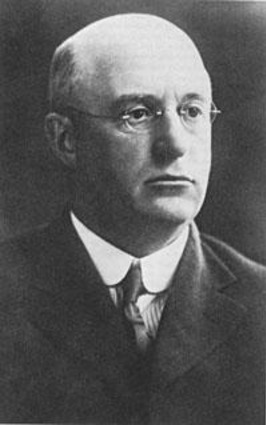
    W. Bro. General Sir Arthur W. Currie, GCMG, KCB, Worshipful Master (1905). Lieutenant-General (later General) and Commander of the Canadian Army in the First World War. Inspector General of the Canadian Armed Forces. Principal and Vice-Chancellor of McGill University.

    M.W. Bro. William Dalby, Grand Master (1870-1871). Mayor of Victoria and Justice of the Peace.
    (Vancouver Lodge 421)

    M.W. Bro. Simeon Duck, Grand Master (1875 - 1876). Miner, M.L.A., and Finance Minister. (Vancouver Lodge 421)

    Bro. James Smith Drummond, Mayor of Victoria, M.L.A., and Chief Engineer of the Fire Department.

    W. Bro. William Jeffray, Worshipful Master (1862 ). First Worshipful Master of Vancouver Lodge 421. Port Warden of Victoria and owner of Jeffray’s Fraser River Express, Later Barnard’s Express. (Vancouver Lodge 421)

    R.W. Bro. Henry Cecil Gilliland, Worshipful Master (1954). Dean of the Faculty of Education, Victoria College and then the University of Victoria, and Principal of the Provincial Normal School (now Camosun College Lansdowne).

    Bro. Lawrence Goodacre. Philanthropist, Alderman, and Acting Mayor of Victoria. Goodacre Lake in Beacon Hill Park named after him.

    R.W. Bro James A Grahame, Worshipful Master (1871). Hudson’s Bay Company Chief Commissioner. (Quadra Lodge 8)

    M.W. Bro. Eli Harrison, Sr., Grand Master (1878-1881). Mural painter and friend of Italian General Giuseppe Garibaldi.

    M.W. Bro. James S. Hogg, Grand Master (1968-1969).

    W.M. Bro. Alex Hylan, Worshipful Master (1985). Vice-President of Marine Design Associates, Director of the Canadian Soccer Association, and Delegation Head for the Canadian Men’s Team at the 1984 Olympics.

    M.W. Bro. William Percyval Marchant, Grand Master (1942-1943). Lawyer and Registrar of the B.C.
    Supreme Court.

    M.W. Bro. Robert Burns McMicking, Grand Master (1877,1878,1879). Survivor of the Overland Trek of 1862, introduced telephone service to Victoria.

    W. Bro. Arthur R. Mebs, Worshipful Master (1969). Firefighter and Alderman for Esquimalt.

    M.W. Bro. Alexander Roland Milne, CMG, Grand Master (1887-1888). Ranking Customs Officer, for whom the Milne Building on Johnson Street was built.

    M.W. Bro. Joel Murray Mitchell, Grand Master (1951-1952).

    W. Bro. Alexander Maxwell Muir, Worshipful Master (1898). Architect (Board of Trade Building – Bastion Square).

    Bro. David Oppenheimer. Mayor of Vancouver, Founder of the Vancouver Board of Trade,
    Philanthropist, Businessman.

    R.W. Bro. Dr. Chauncey Donald “Dick” Orchard, Worshipful Master (1947). Chief Forester and British Columbia’s first Deputy Minister of Forestry.

    M.W. Bro. Dr. Edward Burness Paul, L.L.D., Grand Master (1901). First Principal of Victoria College and Principal of Victoria High School.

    M.W. Bro. Dr. Israel Wood Powell, Grand Master (1867-1875). Doctor, Superintendent of Education, Superintendent of Indian Affairs, and first Chancellor of the University of British Columbia. The Powell River, and thus the City of Powell River, was named after him. Friend of Bro. Sir John A. Macdonald. (Vancouver Lodge 421)

    Bro. Robin Paterson Rithet. M.L.A. and Mayor of Victoria. First President of the British Columbia Board of Trade. President of the California and Hawaiian Sugar Refinery Co.

    M.W. Bro. Wallace Samuel Terry, Grand Master (1921). Pharmacist and owner of Terry’s Drug Store in Victoria. Vice-Consul for Belgium.

    Bro. John Herbert Turner. Merchant and Premier of British Columbia.

    W. Bro. Robert T. Wallace, CM, Worshipful Master (1959). Chancellor and Acting President of the University of Victoria.

    M.W. Bro. S.J. Willis, Grand Master (1910) Deputy Minister of Education, Victoria College and Victoria High School.

    Bro. Harlan Brewster. Premier of British Columbia and Leader of the Opposition.

    W. Bro. General Sir Arthur W. Currie, GCMG, KCB

    M.W. Bro. Dr. Israel Wood Powell. (Courtesy B.C. Archives)

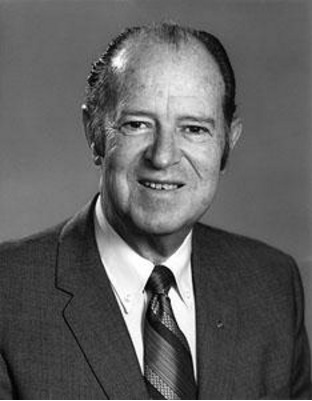
    W. Bro. Robert T. Wallace, CM. (Courtesy Campbell Studio/UVIC Archives)

  • Timeline of Victoria’s History

    c. 4,000 BP

    • ☞ Ancestors of the Songhees (Lekwungen) occupy the area now known as the City of Victoria

    1700s

    • ☞ Fortified village of the Songhees stands at Finlayson Point
    • ☞ 1778 Captain James Cook discovers Nootka Island
    • ☞ 1790 Spanish expedition of Manuel Quimper in the Princesa Real reaches Esquimalt (Puerto de Cordova)

    1837

    • ☞ Captain William McNeill surveys the harbours around Victoria aboard the Beaver

    1840

    • ☞ 1842 James Douglas sights Victoria (Whosaykum) aboard the schooner Cadboro
    • ☞ 1843 James Douglas arrives via the Beaver and establishes Fort Camosun (later Fort Victoria) as a Hudson’s Bay Co trading post
    • ☞ 1844 The HBC forces the re-location of the Songhees village across the harbour
    • ☞ The Quamichan warrior Tzouhalum leads an attack on Fort Victoria

    1845

    • ☞ 1847 St. Charles Roman Catholic Church established at Esquimalt
    • ☞ 1849 Crown colony established
    • ☞ The HBC expands Fort Victoria
    • ☞ Influenza epidemic reaches Victoria, killing at least 3
    • ☞ The HBC establishes the Company School with the Rev. Robert Staines as Head

    1850

    • ☞ The Songhees begin abandoning their winter villages around Fort Victoria
    • ☞ Richard Blanshard, first Governor of Vancouver Island, arrives at Victoria
    • ☞ 1851 Blanshard resigns his post and leaves
    • ☞ Edward E. Langford arrives at Victoria
    • ☞ Robert Dunsmuir arrives at Victoria
    • ☞ 1852 Helmcken House built

    1855

    • ☞ Farm Director Kenneth McKenzie completes the Craigflower Schoolhouse
    • ☞ 1856 First House of Assembly election
    • ☞ 1858 Fraser river gold rush begins
    • ☞ Crown Colony of British Columbia established
    • ☞ 1859 Britain assumes direct control of Vancouver Island

    1860

    • ☞ Victoria Rifle Corps militia established
    • ☞ Race Rocks and Fisgard lighthouses built
    • ☞ 1862 City of Victoria incorporated
    • ☞ Smallpox epidemic decimates the Songhees nation
    • ☞ 1864 Telegraph system begins operation

    1865

    • ☞ Esquimalt Harbour becomes the Royal Navy’s Pacific headquarters
    • ☞ 1866 Vancouver Island and British Columbia colonies united
    • ☞ Mifflin Gibbs, the first Black politician in Canada, elected to the Victoria Town Council
    • ☞ Gold rush ends
    • ☞ 1867 Confederation
    • ☞ 1868 Victoria becomes the capital of British Columbia
    • ☞ 1869 Fire completely destroys Christ Church Cathedral

    1870

    • ☞ 1871 BC joins Canada
    • ☞ Pacific Telegraph Hotel, the largest of its day (150 beds), opens on Store St
    • ☞ 1872 Second Christ Church Cathedral built
    • ☞ Royal Navy stations 5 ships and 1,800 men in Esquimalt
    • ☞ All public schools close for lack of funds
    • ☞ 1873 The international Financial Panic causes the Federal Government to renege on the plan to make Victoria the Pacific terminus of the Canadian Pacific Railway

    1875

    • ☞ SS Pacific sails from Esquimalt and collides with the SS Orpheus, resulting in the loss of 230 out 232 souls
    • ☞ Water utility begins piping in from Elk Lake
    • ☞ 1877 James Douglas dies
    • ☞ Pendray Soapworks starts at Humboldt and Douglas, producing 40,000 lbs of soap per week
    • ☞ 1878 John A. Macdonald becomes MP for Victoria

    1880

    • ☞ Victoria & Esquimalt Telephone Company begins operations with 50 subscribers
    • ☞ 1882 Princess Louise arrives for a 2 week visit, stays for three months
    • ☞ Chinese archway erected at Store Street for Governor General’s visit
    • ☞ 1883 Robert Dunsmuir acquires remaining interest in Departure Bay mines for $600,000
    • ☞ 1884 Chinese Benevolent Association established in Victoria
    • ☞ Chinese population is 15,000, equal to the white population

    1885

    • ☞ 1883 Victoria begins replacing gas lighting with electric lighting
    • ☞ 1886 Esquimalt and Nanaimo Railway completed
    • ☞ 1887 Esquimalt dry dock completed
    • ☞ Work Point Barracks established as a Canadian military base
    • ☞ 1888 The Esquimalt and Nanaimo Railway reaches Victoria
    • ☞ 1889 Rudyard Kipling visits Victoria

    1890

    • ☞ First street cars begin operation
    • ☞ 1891 The CPR Empress line begins service between Vancouver and Victoria
    • ☞ 1892 Economic depression begins
    • ☞ 1893 First phase of construction begins on the British Columbia Parliament Buildings
    • ☞ 1894 Victoria and Sidney Railway begins service

    1895

    • ☞ 1896 Point Ellice Bridge collapses, killing 55 streetcar passengers on board
    • ☞ 1897 An estimated 100,000 immigrants arrive en route to the Yukon gold fields
    • ☞ 1898 Official Opening of the Parliament Buildings
    • ☞ Belle Adams murders Charles Kincaid by cutting his throat with a razor
    • ☞ 1899 Willows Exhibition Building constructed in Oak Bay

    1900

    • ☞ 1901 Queen Victoria dies
    • ☞ 1903 Rattenbury and Maclure complete Government House
    • ☞ The Canadian Bank of Commerce hires poet Robert Service as a clerk
    • ☞ Victoria College opens
    • ☞ 1904 The CPR’s Princess Victoria begins service between Victoria, Vancouver, and Seattle
    • ☞ Opening of the Butchart Gardens

    1905

    • ☞ 1906 The Royal Navy removes 1000 personnel from the base in Esquimalt
    • ☞ The steamer Valencia sinks off the west coast, drowning 120
    • ☞ 1907 Willows Exhibition Building destroyed by fire
    • ☞ 1908 The Empress Hotel opens
    • ☞ 1909 The Chinese Imperial School (renamed The Chinese Public School in 1912) opens on Fisgard St

    1910

    • ☞ The Arcade Block fire destroys an entire city block from Government at Fort to Trounce Alley
    • ☞ 1911 Songhees Band accepts a cash deal for $434,000 to transfer lands on Victoria Harbour to the province
    • ☞ 1912 Height of the Victoria real estate boom
    • ☞ Canada’s first artificial ice surface hosts first professional hockey game in Western Canada at Oak Bay
    • ☞ 1913 John Bryant dies in Canada’s first fatal plane crash
    • ☞ 1914 B.C. purchases two submarines to defend the coast

    1915

    • ☞ More than 1150 volunteers deployed with the 30th Battalion on the Princess Mary
    • ☞ Angry mobs vandalize German-owned businesses like the Kaiserhof Hotel in response to the news of the sinking of the Lusitania
    • ☞ 1917 The Legislature gives women the vote in provincial elections
    • ☞ Lieutenant Colonel Arthur Currie captures Vimy Ridge in the First World War
    • ☞ Ogden Point breakwater completed
    • ☞ 1918 Dominion Astrophysical Observatory completed

    1920

    • ☞ Ogden Point docks completed
    • ☞ Willows School built
    • ☞ Victoria College resumes sessions at Craigdarroch Castle after five-year hiatus
    • ☞ 1922 Federal MPs launch a campaign to segregate Chinese schoolchildren
    • ☞ 1924 Johnson St. Bridge opens
    • ☞ Leper colony moves from D’Arcy Island to Bentinck Island, remaining there until 1956

    1925

    • ☞ Victoria Cougars defeat the Montreal Canadians three games to one to win the Stanley Cup
    • ☞ 1926 Second Esquimalt drydock completed
    • ☞ 1927 Charles Mair, poet and civil servant, dies in Royal Jubilee Hospital
    • ☞ 1928 Emilly Carr travels to eastern Canada to meet the Group of Seven
    • ☞ 1929 The SS Empress of Canada runs aground off Albert Head
    • ☞ Winston Churchill visits Victoria

    1930

    • ☞ The Naden Band forms
    • ☞ 1931 Police seize 40,000 tickets for a Canadian National Lottery
    • ☞ Mount Doug High School built
    • ☞ The Legislature bans Alexandra Tolstoy from BC for fear of inciting Sons of Freedom radicals
    • ☞ 1933 Five people report seeing “Caddy”, a 24 metre-long sea monster off Cadboro Bay

    1935

    • ☞ Glenlyon Boys’ Preparatory School moves to the former residence of Francis Rattenbury in the same year of his murder
    • ☞ 1937 U.S. President Franklin D. Roosevelt visits the Capital City
    • ☞ Canadian Government acquires Hatley Park upon the death of Mrs. James (Laura) Dunsmuir
    • ☞ 1938 Premier Duff Patullo submits proposal to Royal Commission to ban immigrants of Chinese and Japanese origin
    • ☞ 1939 King George VI and Queen Elizabeth visit the Capital City

    1940

    • ☞ 1941 Six vacant lots are turned into Thunderbird Park
    • ☞ 1942 Japanese submarine I-25 torpedoes the VMD-built freighter SS Fort Camosun in the Strait of Juan De Fuca
    • ☞ Japanese sub fires at lighthouse and wireless station at Estevan Point
    • ☞ Columbia Pictures shoots The Commandos Strike at Dawn in Victoria
    • ☞ 1943 Fifteen year-old Anneta "Molly" Justice is stabbed to death near Swan Lake

    1945

    • ☞ Emily Carr dies
    • ☞ 1947 The Chinook begins plying the waters between Victoria and Seattle
    • ☞ 1948 Nancy Hodges named Speaker of the Legislature, a first in Commonwealth countries
    • ☞ Creation of the Greater Victoria Water District
    • ☞ End of streetcar service

    1950

    • ☞ Three HMCS destroyers deployed to Korea from Esquimalt
    • ☞ 1951 Princess Elizabeth and Prince Philip visit Victoria
    • ☞ Beginning of the Swiftsure Lightship Classic
    • ☞ 1953 Premier W.A.C. Bennett’s Socreds re-elected
    • ☞ 1954 Mayor Claude Harrison threatens to burn “communist” books in public library

    1955

    • ☞ 1956 Marilyn Bell swims Juan de Fuca in record time
    • ☞ World’s tallest free-standing totem pole erected
    • ☞ 1957 The second Government House (1905) burns down
    • ☞ The fifth and last remaining “Birdcage” Parliament Building burns down
    • ☞ 1959 Government House rebuilt
    • ☞ S.J. Willis High School built at former site of Hillside Jail

    1960

    • ☞ 1961 W.A.C. Bennett introduces bill to take over B.C. Electric Company as a Crown Corporation
    • ☞ 1962 Mungo Martin dies
    • ☞ 1963 University of Victoria Founded
    • ☞ Alice Munro and then-husband James move to Victoria and open Munro’s Books
    • ☞ 1964 Victoria Conservatory of Music Founded

    1965

    • ☞ New YWCA – YMCA Centre opens
    • ☞ 1966 W.A.C. Bennett’s Socred party wins another election
    • ☞ The Provincial Government creates the CRD
    • ☞ 1967 Centennial Train leaves for a cross-Canada exhibition
    • ☞ The Federal Government gives Chinese Canadians full citizenship rights

    1970

    • ☞ 1971 Tourism becomes Victoria’s largest employer
    • ☞ Three day Constitutional Conference held to amend the BNA
    • ☞ Camosun College founded
    • ☞ 1972 The NDP, led by Dave Barrett, unseat the Socreds after seven consecutive elections
    • ☞ Frank Arthur Calder named to Dave Barrett’s cabinet, becoming the first native cabinet minister

    1975

    • ☞ Socreds beat the NDP in provincial election
    • ☞ Renovations begin to convert a group of derelict warehouses into Market Square
    • ☞ 1977 Fire destroys CN Rail’s 140,000 square-foot warehouse at Ogden Point
    • ☞ 1978 The first class of girls (“Harvey House”) attends St. Michaels University School
    • ☞ 1979 VIA Rail passenger service begins from Victoria to Courtenay

    1980

    • ☞ More than 400 boats compete in the Swiftsure Lightship Classic in the Inner Harbour
    • ☞ 1982 Royal visits by Queen Elizabeth II, the Duke of Edinburgh, and the Prince of Wales
    • ☞ The province transfers public transit from BC Hydro to the newly-formed BC Transit
    • ☞ 1983 Construction begins on a new $1.2 billion multi-lane highway connecting Nanaimo and Victoria
    • ☞ 1984 Spinnakers becomes the first brewpub to open in Canada

    1985

    • ☞ Steve Fonyo completes his cross-country “Journey for Lives” after reaching Mile 0 of the Trans-Canada Highway
    • ☞ Victoria’s first female Mayor, Gretchen Brewin elected
    • ☞ 1986 The Royal BC Museum Centennial
    • ☞ 1988 Duke of Edinburgh visits
    • ☞ Two UVic rowers die when two 8-man shells capsize in a freak storm on Elk Lake
    • ☞ 1989 The Victoria Eaton Centre opens on the former site of Marks and Spencer

    1990

    • ☞ Derik Lord (17) of Saanich and David Muir murder Muir’s mother and grandmother for inheritance money
    • ☞ 1991 Four year-old Michael Dunahee goes missing from a playground at Blanshard Elementary
    • ☞ 1992 Ocean Pointe Resort and Spa opens
    • ☞ 1993 Integrated Ferry Constructors completes the Spirit of British Columbia in Victoria
    • ☞ 1994 Greater Victoria hosts the Fifteenth Commonwealth Games

    1995

    • ☞ Royal Roads Military College restructured as Royal Roads University
    • ☞ 1996 the Blizzard of ’96 drops a record 2-day total of 124 cm on the city, causing damages in excess of $200 million
    • ☞ 1997 Fourteen year-old Reena Virk is murdered by a “swarm” of six of her peers
    • ☞ Major renovations to the Masonic Hall at 650 Fisgard
    • ☞ 1998 Music producer David Foster awarded the Order of Canada

    2000

    • ☞ Hatley Castle becomes Xavier’s School for the superhero film X-Men
    • ☞ Victoria hosts the Twenty-First BC Summer Games
    • ☞ 2001 Iona Campagnolo becomes the 1st female Lieutenant Governor of B.C.
    • ☞ Hip-Hop group Swollen Members release Platinum-selling album Bad Dreams
    • ☞ 2002 Nelly Furtado’s “I’m Like a Bird” wins the Grammy Award for Best Female Pop Vocal Performance
    • ☞ 2003 BC Ferries ceases to be a Crown Corporation and becomes a independent company
    • ☞ 2004 Mr Floatie is created to bring public awareness to Victoria’s lack of a sewage treatment system

    2005

    • ☞ Save-On-Foods Memorial Centre hosts the Ford World Men’s Curling Championship
    • ☞ Phoenix Suns Point Guard Steve Nash wins Most Valuable Player in the NBA for 2004-2005 (repeated in the 2005-2006 season)
    • ☞ 2007 Steven Point becomes the 1st Aboriginal Lieutenant Governor of B.C
    • ☞ 2008 Thirteen percent of Team Canada at the Beijing Olympics is from Victoria
    • ☞ 2009 The MV Ocean Lady docks at Ogden Point with 76 Sri Lankan refugee claimants on board
    • ☞ Restaurant owner Peter Lee kills four family members and himself in Oak Bay

    2010

    • ☞ The 2010 Winter Olympics cross-Canada torch relay begins in Victoria
    • ☞ Completion of the Atrium building, a LEED-certified office space
    • ☞ Two teenage boys murder 18 year-old Kimberly Proctor and burn her body
    • ☞ 2012 V&Q; Celebrates 150 years
    • ☞ 2013 Congregation Emanu-El Celebrates 150 years

  • 1858 – 1888

    Beginning in the spring of 1858 and continuing through the turn of the century, waves of miners, adventurers, and opportunity-seekers arrived on Fort Victoria's shores on their way to the Fraser River gold fields. In response to the thousands of men who sailed into the fledgling colony from San Francisco, and fearful of Americans claiming British territory for their own, Governor James Douglas stationed a gunboat at the mouth of the Fraser River to collect mineral claim licence fees and manage the influx of prospectors.

    Many of the newcomers to Vancouver Island set up businesses or found work in the bustling boom town. Some of these were Freemasons who practiced the "Ancient" or "American" style of Masonic Ritual. Because they were unfamiliar with the ritual being practiced by the only other extant Lodge in Victoria at the time (Victoria Lodge № 1085), and in order to continue their own tradition of Ancient work, the founders applied to the Grand Lodge of Scotland for a charter.

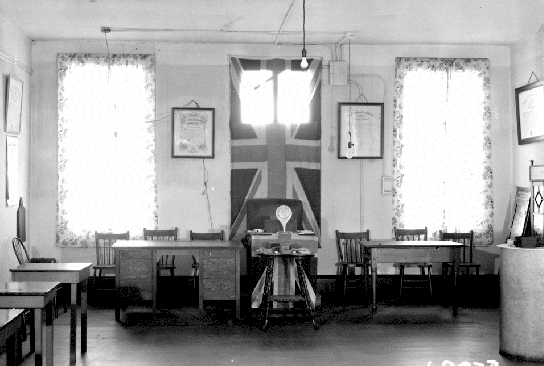
    The first lodge room above the T. N. Hibben & Co. store on Yates Street (Courtesy BC Archives)

    The Grand Lodge of Scotland issued a charter for Vancouver Lodge № 421, at Victoria on "Vancouver's Island", on August 4th, 1862. The first meeting was held on October 20th of the same year at Victoria's first Masonic Hall at the South-West corner of Yates and Langley Streets, at which W. Bro. Israel Wood Powell installed W. Bro. William Jeffray as the first Worshipful Master of the Lodge.

    At the same time, and against the back drop of British Columbia joining the Confederation of Canada, the Grand Lodge of Scotland commissioned the Provincial Grand Lodge in 1867. The Provincial Grand Lodge, in turn, issued dispensation to Quadra Lodge № 508 to begin work pending a Charter from the Grand Lodge of Scotland. Although the Lodge held its first meeting on January 7, 1871, the Charter did not arrive in Victoria until spring of the following year.

    Vancouver Lodge took the first step toward the formation of an independent Grand Lodge of British Columbia, and with the strong support of Quadra Lodge, was one of the most persistent advocates this initiative. The Grand Lodge was finally organized through the co-operation of the Provincial Grand Master and the District Grand Master on October 21, 1871. M.W. Bro. I.W. Powell, Grand Master, immediately granted warrants to the various extant Lodges, including Vancouver Lodge № 2 and Quadra Lodge № 8.

    The two Lodges amalgamated on May 16, 1877 under the title Vancouver and Quadra Lodge № 2. The first Worshipful Master was W. Bro. R.B. McMicking, who remained in office in 1877, 1878, and 1879.

  • 1889 – 1918


    Coming Soon

  • 1919 – 1945


    Coming Soon

  • 1946 – 1975


    Coming Soon

Notices & Summons

Events

Calendar of Events in Districts 1 and 21
The live calendar is not available.

Contact Us

The contact form is currently being worked on. Please check again later.